Drones and flight safety

PRACTICAL GUIDE TO OPERATING DRONES IN LEGAL CONDITIONS

STEP 1
Register as a UAS operator

  • Register as a UAS operator with AACR

STEP 2
Obtain the certificate of competence

  • Take the A1/A3 online course.
  • Take and pass the AACR online exam.
  • Keep your certificate of competence and present it upon request to the authorities.

STEP 3
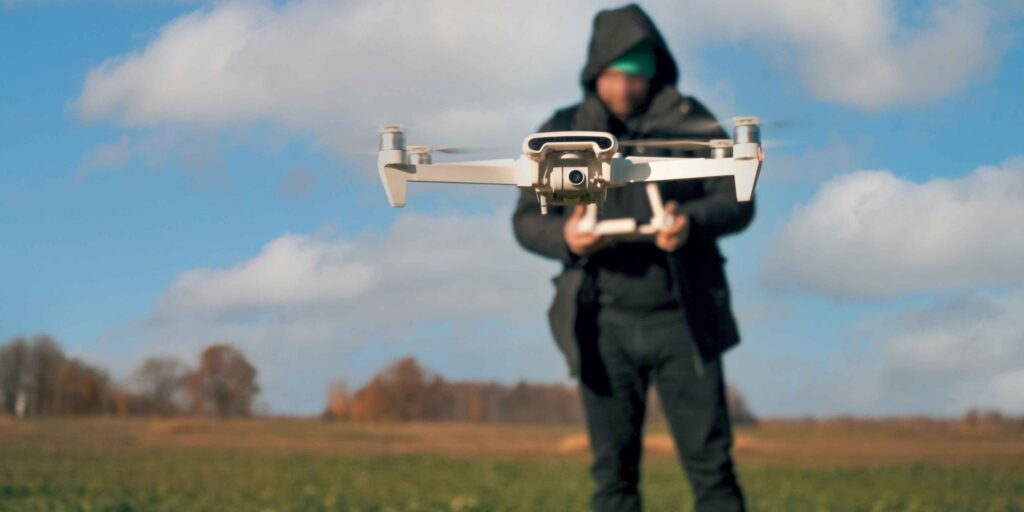
Identify the drone

  • Check if the drone has a class marking (C0, C1, C2, C3 or C4).
  • If it doesn't have a class marking, check the maximum takeoff weight.
  • Identifies the operating category (A1, A2 or A3).
Identify the drone

STEP 4
Check the area you will be flying to

  • Check if flying is allowed in the chosen area.
  • Consult UAS geographic zones and airspace restrictions.
  • Check if there are any CTR zones, restricted zones or prohibited zones.
  • If a permit is required, obtain it before the flight.
  • Comply with all conditions imposed by the authorization received.
Check the area you will be flying to.

STEP 5
Plan your flight

  • Plan the drone's route.
  • Check the maximum height allowed.
  • Identify any obstacles (buildings, trees, power lines, etc.).
  • Analyze weather conditions.
  • Inform people near the operating site.

STEP 6
Check the drone before takeoff

  • Check the battery level.
  • Check the condition of the propellers.
  • Check the operation of the controls.
  • Check the operation of the GPS system.
  • Update the geo-surveillance system, if the drone is equipped with this function.
  • Make sure all safety features are active.

STEP 7
Check if you are fit to fly

  • Be rested and attentive.
  • Do not lift a drone off the ground if you have consumed alcohol or drugs.
  • Do not fly if you are taking medication that affects your attention.
  • Know your own limitations and those of the drone.

STEP 8
Follow the rules during the flight

  • Maintain visual contact with the drone at all times (VLOS).
  • Do not exceed the maximum altitude of 120 m.
  • Constantly control the drone.
  • Monitor the surrounding airspace.
  • Be careful of other aircraft.
  • Keep a safe distance from people, animals, buildings and vehicles.

STEP 9
Comply with operating category rules

Category A1

C0 and C1 drones or privately built drones weighing up to 250 g.

Category A2

Class C2 drones.

Category A3

C3 and C4 drones or privately built drones weighing up to 25 kg.

Check the drone category

AVIATION SAFETY BULLETIN

The purpose of this bulletin is to inform and empower residents in the vicinity of Avram Iancu Cluj RA International Airport, regarding the risks and dangers associated with certain activities, as well as the measures necessary to maintain the safety of aeronautical operations.

The targeted activities are presented below:
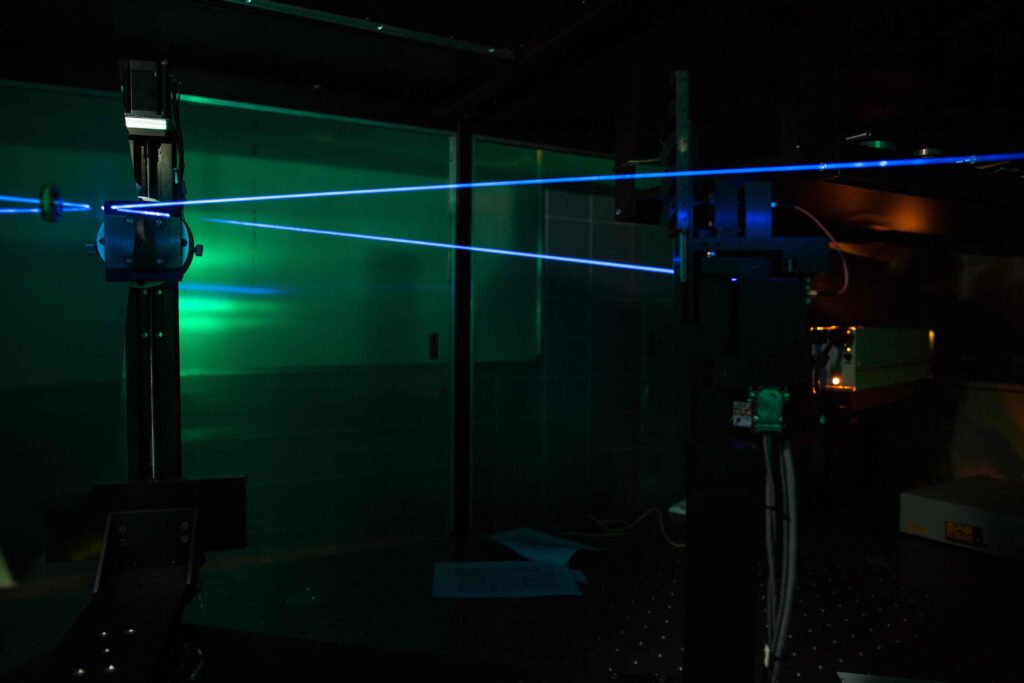
1. USE OF LASERS

PreciseARI: Even low-power lasers can produce strong visual effects in the cockpit, especially at night, when pilots' eyes are adapted to the dark.

Danger: Directing laser beams at aircraft in flight.

Risk:

  • Temporary blindness (flash blindness) or residual blindness effect;
  • Loss of visual orientation during runway alignment;
  • Delayed reactions in critical situations;
  • Increased risk of missed landing or incident.
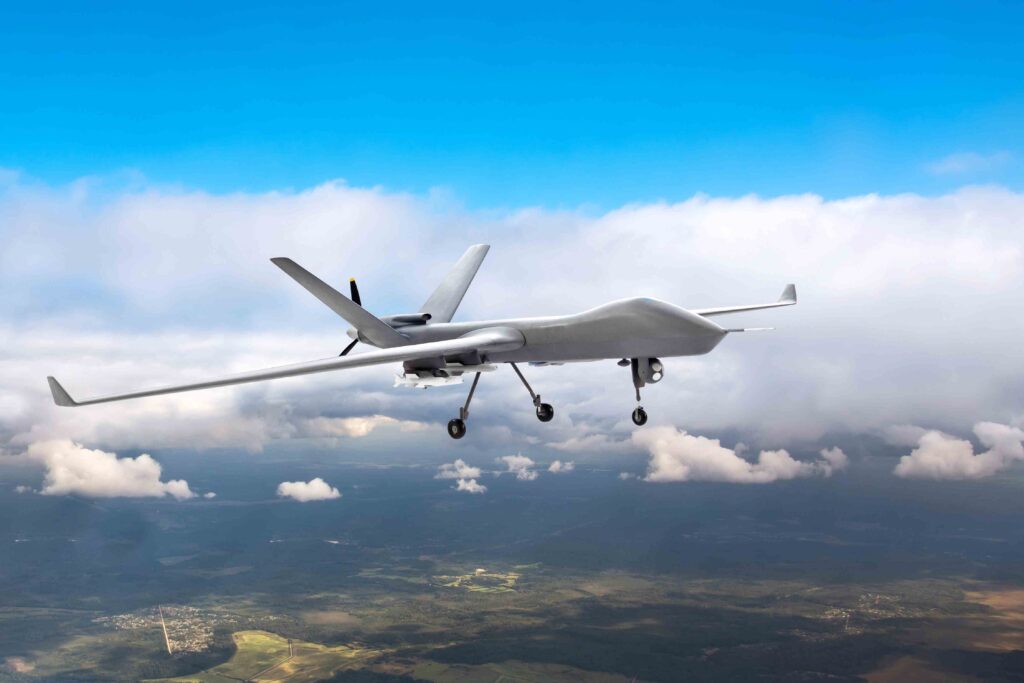
Laser drones

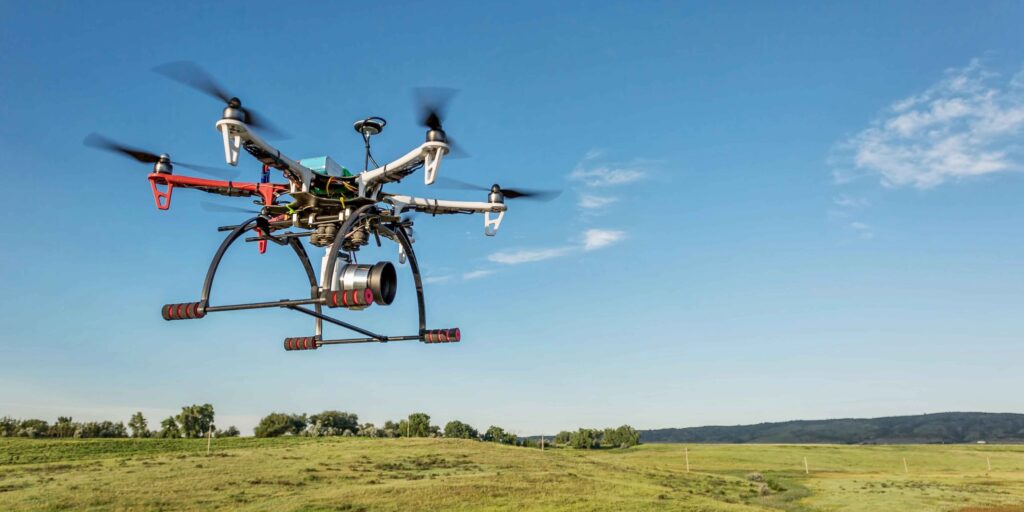
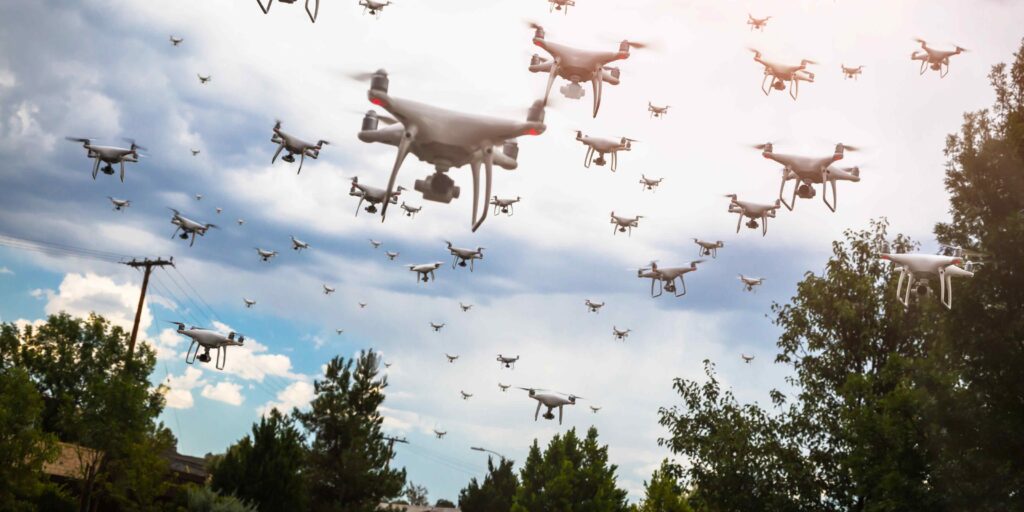
2. USE OF DRONES (UAV)

PreciseARI: Drones are difficult for pilots to detect and can suddenly appear in the path of aircraft, especially near the runway.

Danger: Drone penetration into the airport's controlled airspace.

Risk:

  • Direct collision with the aircraft (windshield, wings, engines);
  • Structural or technical damage;
  • Temporary suspension of air traffic;
  • Emergency situations or forced landings.
Use of drones

3. LAUNCHING LANTERNS / BALLOONS

PreciseARI: They can reach high altitudes and drift over long distances, including within the aircraft operating area.

Danger: Light objects that rise uncontrollably into the atmosphere.

Risk:

  • Aspiration into aircraft engines (similar to the phenomenon of "foreign object damage");
  • Fires caused by open flames (in the case of lanterns);
  • Sensor or visibility impairment.
launching the lanterns

4. FIREWORKS AND PYROTECHNIC OBJECTS

PreciseARI: These can be mistaken for signals or can distract the crew at critical moments.

Danger: Explosions, sparks and intense lights near the airport.

Risk:

  • Visual confusion for pilots;
  • Misjudgement of position or altitude;
  • Increased operational stress;

Possible incidents during approach or takeoff phases

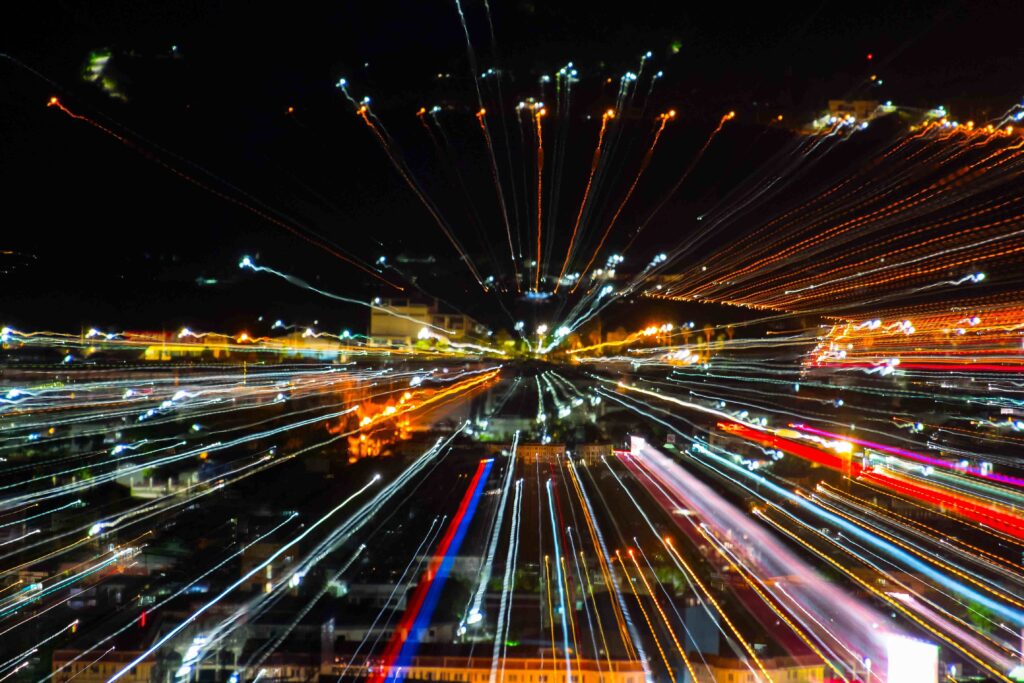
5. POWERFUL LIGHTS POINTED TOWARD THE SKY

PreciseARI: These can interfere with runway beacon lights and visual guidance systems.

Danger: Spotlights, decorative lasers or other sources of intense light.

Risk:

  • Difficulties in identifying the track;
  • Loss of visual contrast;
  • Aircraft alignment errors;
  • Increased risk of incident upon landing.
lights directed towards the sky

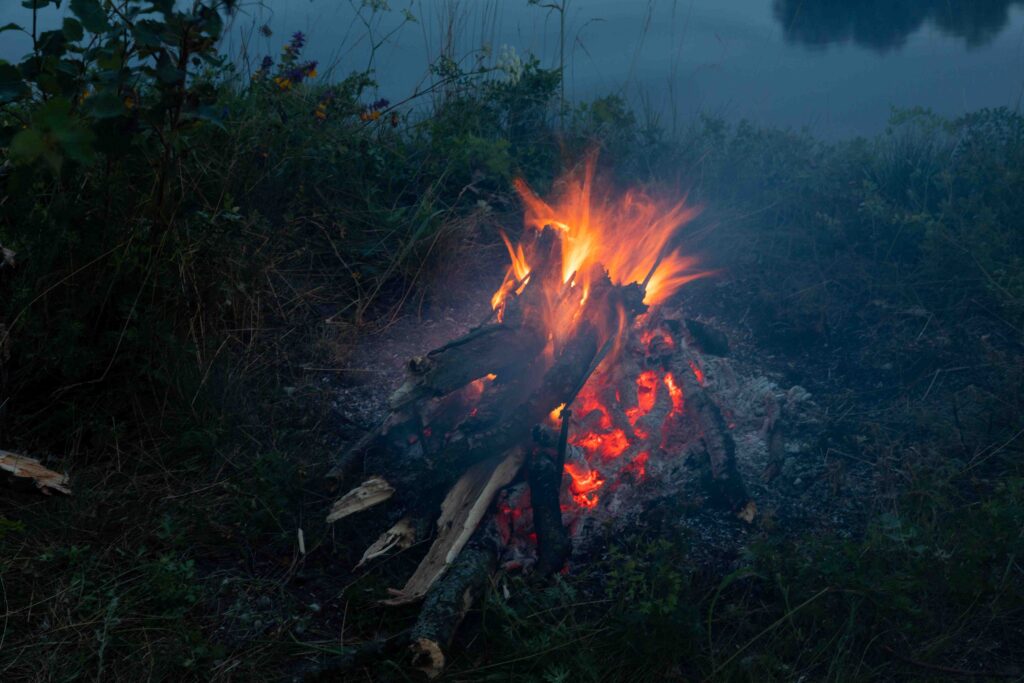
6. OPEN FIRES AND DENSE SMOKE

PreciseARI: Smoke can move quickly and cover the runway or approach area.

Danger: Burning waste, vegetation or other sources of smoke.

Risk:

  • Reduced visibility for pilots;
  • Making landing procedures more difficult;
  • The need for flight diversions or delays.
Open fires and thick smoke

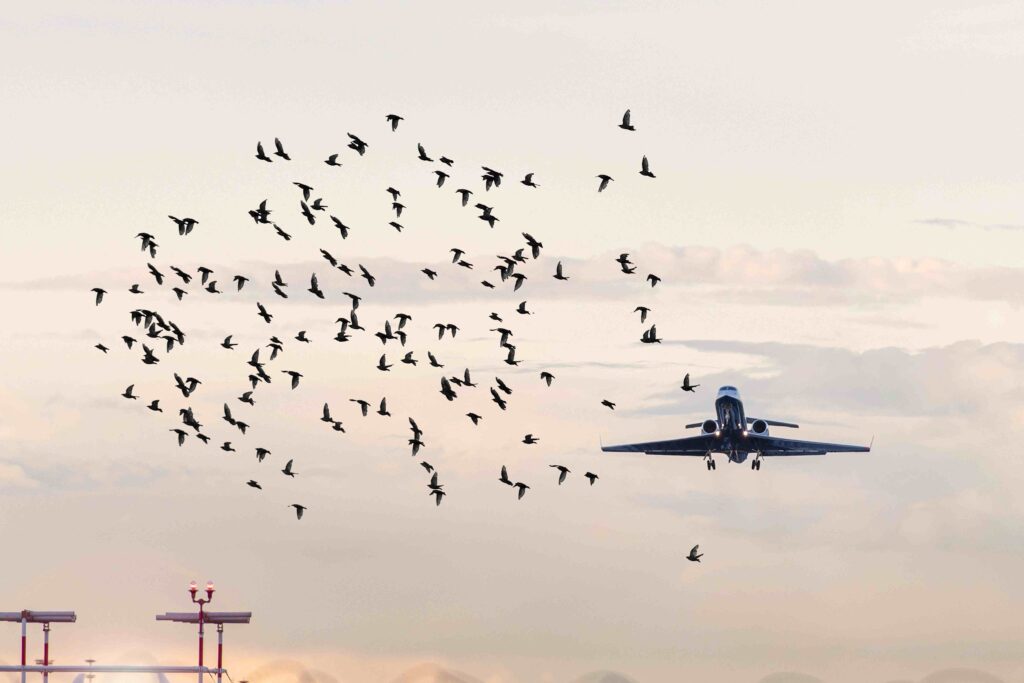
7. BIRD STRIKE

PreciseARI: Landfills, animal feeding, or unkempt grounds can attract birds.

Danger: Increase in the number of birds in the airport area.

Risk:

  • Aircraft collisions
  • Engine damage (bird ingestion);
  • In-flight emergencies;
  • High costs and delays.
BIRD STRIKE BIRDS

8. UNAUTHORIZED CONSTRUCTIONS / ANTENNAS

PreciseARI: Any tall structure must be authorized so as not to affect flight lanes and navigation equipment.

Danger: Obstacles in the aeronautical protection zone.

Risk:

  • Limiting the maneuvering space of aircraft;
  • Interference with navigation equipment;
  • Increased risk of collision.

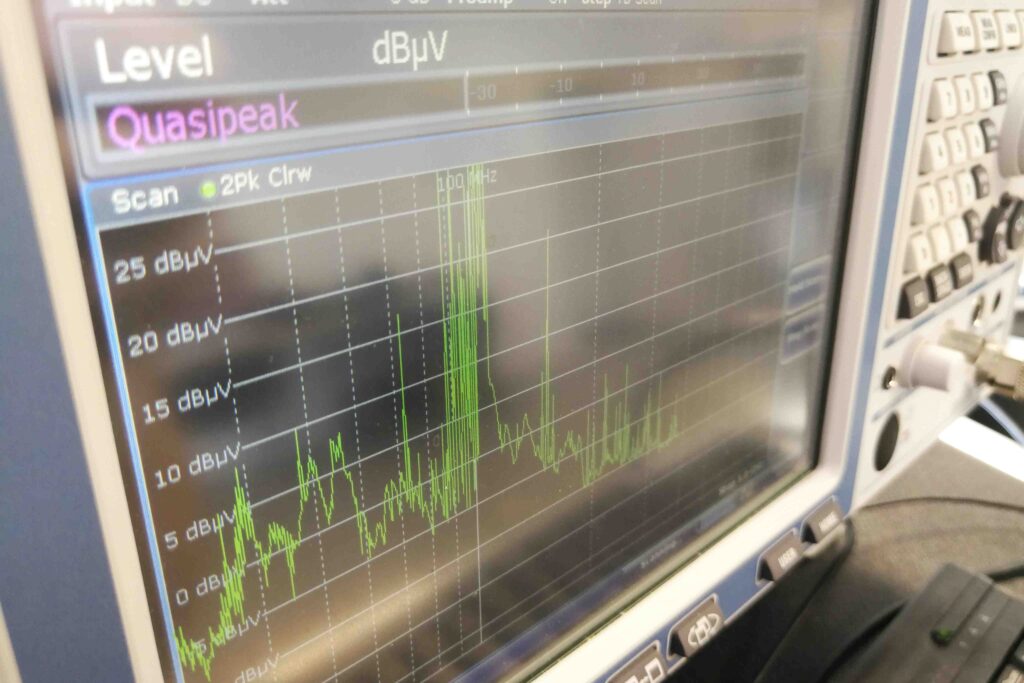
9. RADIO INTERFERENCE

PreciseARI: Communications between the pilot and the control tower are essential for flight safety.

Danger: Use of unauthorized or defective radio equipment.

Risk:

  • Incomplete or distorted messages;
  • Misinterpreted instructions;

Loss of air traffic coordination

Radio interference